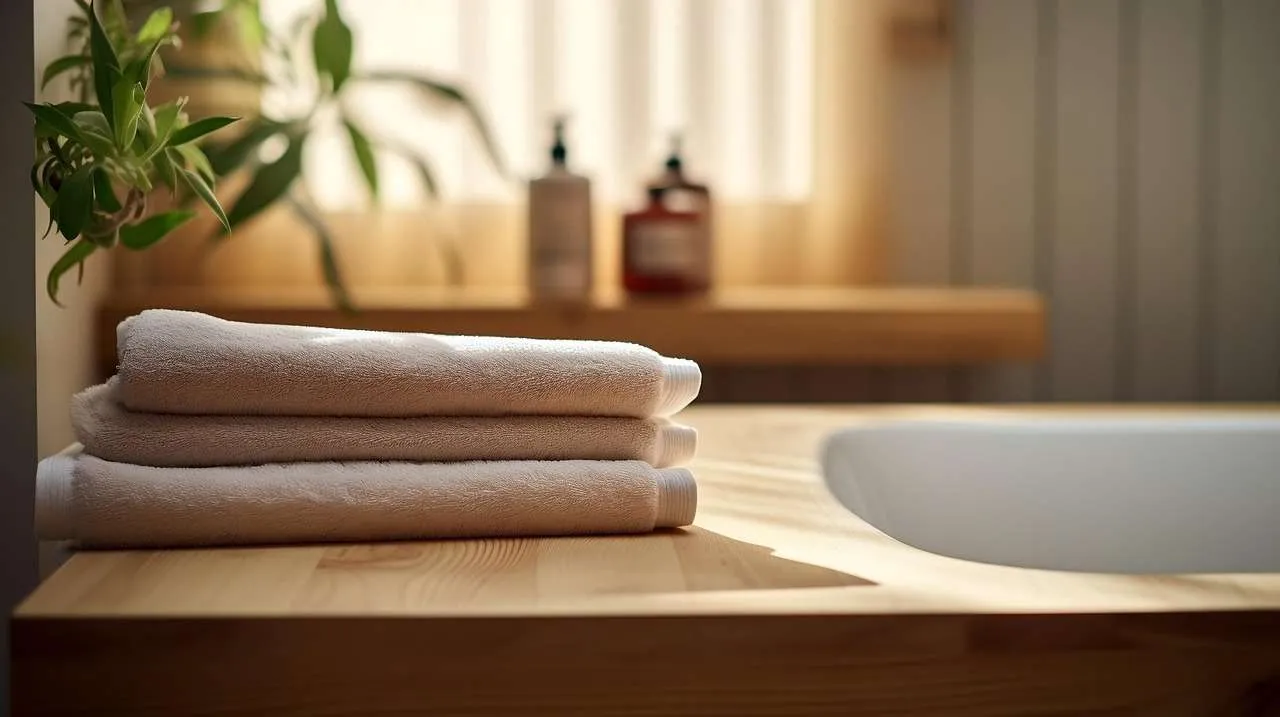
As a seasoned SEO expert and design strategist with ten years of experience helping homeowners craft efficient, stylish spaces, this guide offers actionable small bathroom ideas built for real rooms and real budgets. We’ll focus on layout, storage, lighting, fixtures, and finishes that maximize square footage while preserving comfort and resale value. The goal is to present clear, credible guidance you can apply immediately, backed by practical design principles and tested strategies.
Maximizing layout and flow
In a small bathroom, layout decisions determine every other choice. Start by measuring and sketching a simple floor plan that keeps the toilet, sink, and shower or tub on the same wall whenever possible to reduce wasted space. If you can, swap a swinging door for a pocket or barn door to reclaim floor area. Consider a combined shower and wet zone instead of a separate tub if your family rarely baths children. A wall-hung toilet and a pedestal or wall-hung basin can visually open the floor and improve access for cleaning.
Strategies for efficient footprints
Miniature fixtures exist for every category. Choose a compact vanity with a shallow countertop, a corner sink, or a trough-style sink to free up wall space. For showers, a corner or neo-angle stall with a clear glass enclosure creates the perception of more space. Avoid decorative bulk—chunky cabinets, heavy doors, and bulky mirrors can close in a room. Instead, favor slim profiles and transparent surfaces that reflect light.
Storage that actually works
Storage is the backbone of a small bathroom. The right storage keeps essentials reachable without clutter. Consider vertical storage like tall, slim cabinets that reach the ceiling, recessed niches in the shower for liquids, and over-door organizers for towels and toiletries. Under-vanity drawers with dividers maximize every inch. If you’re renovating, think about built-in pull-out organizers, medicine cabinets with mirrors, and wall-mounted baskets for daily use items.
Smart options
Clear bins, labeled containers, and a color-coded system help you find things quickly. Use mirror-fronted cabinets to combine reflective light with practical storage. For families, a recessed shower shelf and a recessed medicine cabinet keep small items within reach while staying out of sight.
Lighting, color, and materials that feel larger
Layered lighting is essential. Combine ambient ceiling lighting with task lighting at the vanity and moisture-rated sconces next to the mirror. White or pale walls with a high-reflectance finish bounce light around the room, while large mirrors amplify brightness. If color is used, pick cool neutrals with a bright accent towel or accessory to keep the space feeling airy. In small rooms, matte finishes can be less reflective and help hide fingerprints, while glass, shiny chrome, and polished chrome reflect light efficiently.
Fixtures and finishes that last
Choose compact fixtures with clean lines. A wall-mounted faucet can save counter space, and a slim window or skylight can bring in natural light. Durable, moisture-resistant materials such as porcelain tile, large-format porcelain slabs, or glass panels reduce grout lines and make the space easier to clean. For color, consider a monochrome palette with a single contrasting shade to keep the design cohesive yet interesting.
Budget-friendly ideas vs premium upgrades
Small bathroom ideas can span a wide price range. The core principle is to spend where it matters most: storage efficiency, lighting, and durable surfaces. On a tight budget, focus on rethinking storage, replacing faucets, updating lighting, and applying a bright paint job. For a premium renovation, invest in true linear showers, a floating vanity with integrated lighting, heated floors, and high-end fixtures. The table below compares options to help you decide.
| Option | Pros | Cons |
|---|---|---|
| Floating vanity | visually expands floor space; easy cleaning underneath | requires robust wall support; some plumbing adjustments |
| Open shelving | airy feel; readily accessible items | dust and moisture exposure; frequent maintenance |
| Built-in niches | clean, integrated storage; reduces clutter | higher upfront cost |
| Pocket door | saves space; smooth access | potential wall construction complexity |
Practical tips and maintenance
Finally, maintenance matters. Seal grout, use moisture-resistant paint, and select fixtures with corrosion resistance. Plan a simple cleaning routine and select materials that age gracefully. With thoughtful updates, even a tiny bathroom can feel calm, efficient, and stylish.
Summary: By optimizing layout, maximizing vertical and hidden storage, selecting bright finishes, and choosing compact, durable fixtures, a small bathroom becomes more functional and visually larger. Tailor ideas to your space and budget, and you’ll enjoy a refreshed, lasting result.